
Couches are the centerpiece of a cozy living room, but they can easily gather dust, stains, and dirt. Keeping your couch clean makes your space inviting and keeps your furniture lasting longer. Whether it’s a spill from a snack session or just everyday dust, knowing how to clean your couch can make a big difference.
Cleaning a couch at home doesn’t have to be hard or time-consuming. With the right tools and a little know-how, you can keep your couch looking fresh and clean. It’s all about understanding your couch’s fabric, picking the right cleaning solutions, and following a few easy steps.
Regular cleaning helps prevent dirt from building up and makes spot cleaning easier. By following a few simple tips, you can protect your couch and make sure it stays comfortable and beautiful for years to come. Let’s explore how to take good care of your couch with easy steps you can do right at home.
Understanding Your Couch Fabric Type
Cleaning your couch effectively starts with knowing what type of fabric you’re dealing with. Different materials need different care, so it’s important to identify the fabric before you start cleaning.
Common Couch Fabrics:
– Cotton: Cotton is durable and breathable. It’s often used in couches because it’s comfortable but can be prone to stains. It’s usually safe to clean with water-based cleaning products.
– Linen: This fabric feels soft and looks luxurious but needs careful cleaning. Avoid harsh cleaners and excessive scrubbing as this might damage the fibers.
– Leather: Leather is classic and easy to wipe clean, but it needs specific leather cleaners and conditioners to maintain its look. Don’t use too much water on leather as it can lead to spots or cracks.
– Microfiber: Known for its durability, microfiber resists stains well. Cleaning it can be straightforward, but it’s important to use mild cleaners specifically made for microfiber.
– Velvet: Velvet couches look elegant but require gentle care. Avoid a lot of water. Spot cleaning with a velvet-safe cleaner is best to preserve its texture.
How to Identify Fabric Types:
Check the couch’s care tag usually found under the cushions. The tag often has codes that tell what cleaning method to use:
– W: Use water-based cleaners.
– S: Use solvent-based cleaners.
– WS: Use either solvent or water-based cleaners.
– X: Vacuum only; professional cleaning is recommended.
Knowing your fabric type allows you to pick the right cleaning method, preventing damage and keeping your couch looking great. It’s the first step in turning a dingy couch into a sparkling one.
Essential Cleaning Solutions and Tools
Cleaning your couch properly means using the right solutions and tools. With the right supplies, you can tackle stains and dirt more easily, keeping your couch fresh and inviting.
Basic Cleaning Supplies:
– Mild Detergent: A mild liquid detergent mixed with water can be used for a lot of fabric types. It’s important to avoid harsh chemicals that can fade or ruin fabrics.
– Vinegar: White vinegar can be a great natural cleaner. It disinfects and removes odors without damaging most fabrics. Mix it with water for a gentle cleaning solution.
– Baking Soda: Baking soda is good at absorbing odors and can be sprinkled on cushions before vacuuming to freshen them up.
– Leather Cleaner: Specific leather cleaning products help keep leather couches clean and conditioned without drying the material.
– Microfiber Cloths: These are gentle and won’t scratch fabrics. They’re perfect for blotting stains and cleaning delicate surfaces.
– Soft Brush: A soft-bristled brush helps deal with surface dirt and dust without being too harsh on the fabric.
Tools for Cleaning:
– Vacuum Cleaner: Attachments help reach crevices and deep cleaning. Use it regularly to keep dust and dirt at bay.
– Spray Bottle: For applying your cleaning solution evenly without soaking the fabric.
– Soft Sponges: These work well for applying cleaners to fabrics gently.
Simple Steps for Application:
1. Test First: Always test any cleaner in a hidden spot to ensure it doesn’t damage the color or fabric.
2. Gently Blot: For stains, blot instead of rubbing to avoid spreading the stain.
3. Let it Dry: Allow the couch to dry completely before using it again to prevent mold and mildew.
Armed with these solutions and tools, you can effectively tackle couch cleaning, maintaining a tidy and welcoming living space.
Step-by-Step Guide to Couch Cleaning
Cleaning your couch can seem like a big task, but following these simple steps can make it much easier. Here’s a straightforward guide to help you clean your couch effectively and make it look almost new again.
1. Prepare the Area: Begin by removing all items from your couch. This includes cushions, throws, and any decorative pillows. Creating an open workspace helps you see the areas that need cleaning and prevents any accidental spills on nearby items.
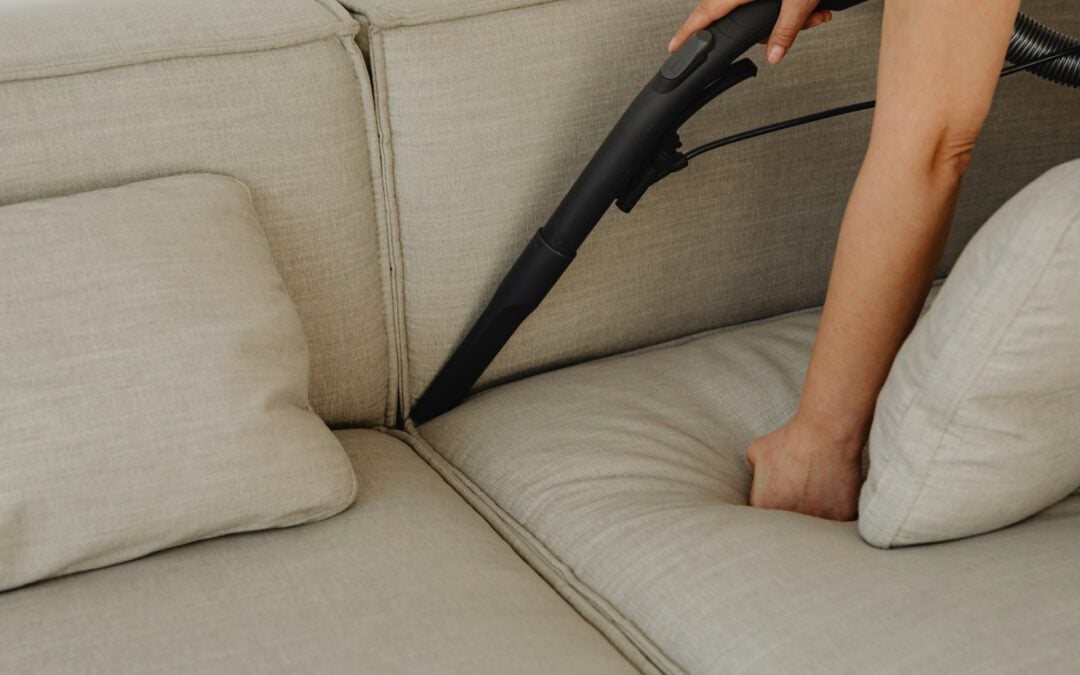
2. Vacuum Thoroughly: Use your vacuum cleaner with an upholstery attachment to suck up loose dirt, dust, and pet hair. Pay special attention to crevices and seams where dirt tends to accumulate.
3. Spot Clean Stains: Identify any stains on your couch and use a microfiber cloth dipped in a mild detergent solution to blot them. For stubborn stains, you might need a specialized cleaner based on the fabric type. Always dab gently and avoid soaking the material.
4. Clean the Cushions: If your couch has removable cushion covers, check if they’re machine washable. If so, follow the care instructions precisely. If not, use a fabric cleaner suitable for the type of material.
5. Dry the Couch: Make sure the couch dries completely. Use fans or open windows to speed up drying time. This prevents mold and unpleasant odors from developing.
6. Replace Accessories: Once everything is clean and dry, replace the cushions and other items. Your couch should now look fresh and inviting.
By regularly following these steps, you can keep your couch in prime condition and extend its life.
Preventing Future Stains and Damage
Keeping your couch clean means doing a bit more than regular cleaning. You can prevent future stains and damage by adopting a few simple habits and taking protective measures.
Use Protective Covers:
1. Slipcovers: These provide an easy way to shield your couch from spills and dust. They’re especially useful for families with young kids or pets. You can remove and wash them for a quick refresh.
2. Armrest Covers: These protect areas that often get the most wear and tear. They help maintain the fabric’s original condition and keep it looking new longer.
Encourage Clean Habits:
– No Food Zone: Encourage family and friends to keep food and drinks away from the couch. This reduces the chances of accidental spills and crumbs getting lodged between cushions.
– Pet-Friendly Options: If you have pets, consider providing a designated pet blanket or bed. It helps manage hair and claws’ impact on upholstery.
Regular Maintenance:
– Frequent Vacuuming: Regular vacuuming prevents dust build-up, especially in hard-to-reach areas. It also helps keep allergens and dirt away.
– Immediate Attention: Clean spills right away to prevent stains from setting. Keeping cleaning supplies handy ensures you can respond to accidents quickly.
By following these prevention tips, you minimize damage and maintain your couch’s comfort and appearance.
Conclusion
Having a clean and well-maintained couch enhances the coziness and aesthetics of your home. Understanding your couch’s fabric type and having the right cleaning tools ensures that you can address any mess efficiently. By following these practical steps, you not only rejuvenate your couch but also extend its lifespan. Prevention measures like using slipcovers and establishing good habits go a long way in keeping your furniture in top shape.
Regular couch care prevents grime build-up and keeps it inviting for family and guests. But if you need professional furniture cleaning in Wisconsin, contact Superior Carpet Cleaning. Our expert team can handle everything from simple cleans to stubborn stain removals, leaving your home looking its best.