
Cleaning your furniture correctly can significantly affect how your home looks and feels. Whether it’s your favorite comfy sofa or a beautiful wooden table, maintaining your furniture’s cleanliness helps it last longer and look better. Knowing the proper cleaning methods for different materials ensures you won’t damage your pieces and will keep everything looking fresh.
Different types of furniture materials require different care. Sometimes, you’ll encounter stubborn stains that need more focused attention. We’ll explore how to tackle these tricky spots effectively. Lastly, deep cleaning and proper maintenance tips will help ensure your furniture stays in good shape for years.
Identify Your Furniture’s Material
Before you start cleaning, you must know what material your furniture is made of. Different materials require different cleaning methods to avoid damage and get the best results.
Fabric Upholstery:
This type of furniture includes sofas, chairs, and cushions covered in cloth. It’s often made from cotton, polyester, or a blend. Cleaning fabric upholstery usually involves vacuuming regularly to remove dust and using a mild cleaning solution for stains. Be sure to check the care label for specific instructions.
Leather Furniture:
Leather is durable and gets better with age if you treat it right. To remove dust, wipe down leather furniture with a soft cloth. Use a leather cleaner and conditioner to keep it supple and prevent cracks for deeper cleaning.
Wood Furniture:
Wood furniture includes tables, chairs, and cabinets. Dust wood surfaces frequently with a soft cloth. Use a wood cleaner or a damp cloth to clean it gently. Avoid using too much water, as it can damage the wood.
Glass and Metal Furniture:
Furniture with glass tops or metal frames also requires specific care. For glass, use a glass cleaner and a microfiber cloth to avoid streaks. A damp cloth and mild soap can usually take care of spots for metal.
Knowing your furniture’s material helps you choose the suitable cleaning method, ensuring your pieces look good and last longer.
Basic Cleaning Techniques for Everyday Care
Keeping your furniture clean daily can prevent dirt build-up and make thorough cleanings less frequent. Here are some tips to maintain different types of furniture regularly:
Fabric Upholstery:
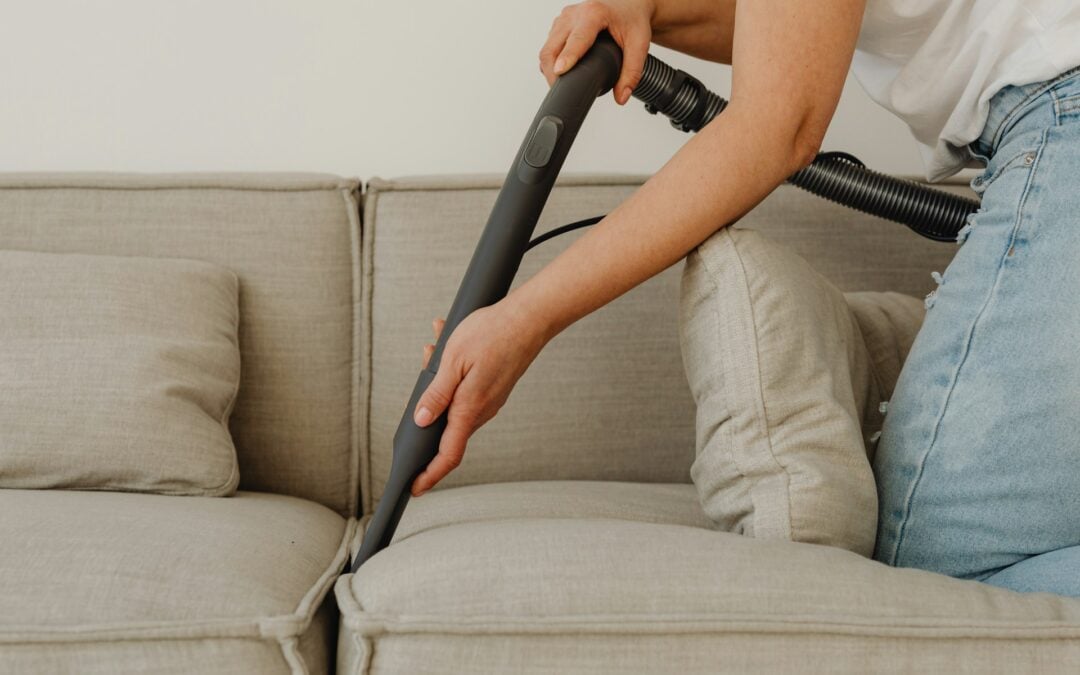
– Vacuum Weekly: Use your vacuum’s upholstery attachment to remove dust and crumbs from the surface and crevices.
– Spot Clean: Blot the area immediately with a clean cloth if you spill something. Use a mild, soapy water solution for spot cleaning. Always test on a small, hidden area first to ensure it doesn’t discolor the fabric.
Leather Furniture:
– Dust and Wipe: Dust weekly with a soft, dry cloth. For spills, wipe immediately with a soft, damp cloth.
– Condition Regularly: Apply a leather conditioner every six months to keep it soft. This helps prevent cracks and keeps the leather looking fresh.
Wood Furniture:
– Dust Daily: Use a soft, dry cloth to dust wood furniture. This prevents dust from accumulating and scratching the surface.
– Wipe Spills Quickly: For liquid spills, wipe immediately with a damp cloth and then dry it. Do not let water sit on the wood surface.
– Polish Occasionally: To restore shine, use wood polish or a solution of equal parts olive oil and vinegar. Apply with a soft cloth and buff as needed.
Glass and Metal Furniture:
– Clean Glass Surfaces: Spray glass cleaner on a microfiber cloth and wipe the surface to avoid streaks. Clean glass regularly to maintain its shine.
– Wipe Metal Frames: Clean metal with a damp cloth and mild soap. Dry the metal immediately to prevent water spots or rust.
By following these everyday care tips, you ensure your furniture stays clean and attractive, reducing the need for more intensive cleaning.
Removing Stubborn Stains and Spots
Even with regular cleaning, sometimes stubborn stains and spots appear on your furniture. Knowing how to tackle these can save your pieces from permanent damage. Here’s how to address common stains on different materials:
Fabric Upholstery:
– Food and Drink Stains: Blot the spill immediately with a clean cloth to absorb excess liquid. Mix mild dish soap with water, dip a cloth, and gently blot the stain. Rinse with a damp cloth and let it air dry.
– Ink Stains: Rubbing alcohol can help. Dampen a cloth with rubbing alcohol and blot the ink stain. Avoid scrubbing, as it can cause the stain to spread. Rinse with a water-dampened cloth and let dry.
– Grease Stains: Sprinkle baking soda directly on the grease stain and let it sit for a few minutes to absorb the oil. Vacuum the baking soda, then use a mild detergent to clean the area.
Leather Furniture:
– Ink Stains: Gently dab the ink stain with a cotton swab dipped in rubbing alcohol. Follow up by wiping with a damp cloth and applying a leather conditioner.
– Oil Stains: Sprinkle talcum powder or cornstarch over the oil stain and allow it to sit overnight. The powder will absorb the oil. Wipe off the powder in the morning with a dry cloth.
– Water Stains: Gently rub the stain with a cloth dampened with distilled water. Dry it with a clean, soft cloth.
Wood Furniture:
– Water Rings: Place a dry cloth over the water ring and press a warm iron on top for a few seconds. This will draw the moisture out and remove the ring.
– Ink Stains: Mix baking soda and water to form a paste. Apply the paste to the stain, gently rub with a cloth, and wipe clean.
– Sticky Residues: Use vinegar and water to remove any sticky spots. Wipe the area thoroughly with a damp cloth and dry.
Glass and Metal Furniture:
– Hard Water Stains on Glass: Apply white vinegar to a cloth and rub the spots. Rinse with clean water and wipe dry.
– Rust on Metal: Mix baking soda and water to paste. Apply to the rust, sit for a few minutes, then scrub the rust off with a cloth and rinse.
Addressing stains promptly and correctly ensures that your furniture remains in good condition longer.
Deep Cleaning and Maintenance Tips
Deep cleaning your furniture periodically is essential for maintaining its appearance and longevity. Here’s how to do it for different materials:
Fabric Upholstery:
1. Vacuum Thoroughly: Use the upholstery attachment to remove surface dust and debris.
2. Shampooing: Use an upholstery cleaner or a mild detergent solution and water. Apply with a soft brush, working in a circular motion. Rinse with a damp cloth and let dry completely.
3. Deodorizing: Sprinkle baking soda over the fabric and let it sit for several hours to remove odors. Vacuum thoroughly afterward.
Leather Furniture:
1. Vacuuming: Use a soft brush attachment to remove dirt and dust.
2. Cleaning Solution: Mix equal parts white vinegar and water. Dampen a cloth with this solution and wipe the leather.
3. Conditioning: Apply a leather conditioner to keep the leather soft and prevent cracking. Buff with a clean cloth.
Wood Furniture:
1. Dusting: Start by dusting the surface with a soft cloth.
2. Cleaning Solution: Mix mild soap with water. Dampen a cloth with this solution and wipe the wood surface.
3. Polishing: Use a wood polish to restore shine and protect the finish. Apply with a soft cloth and buff to a shine.
Glass and Metal Furniture:
1. Glass Cleaning: Use a commercial glass cleaner or a mixture of vinegar and water. Wipe with a microfiber cloth to avoid streaks.
2. Metal Cleaning: Use mild soap and water to clean metal parts. Dry immediately to avoid water spots.
3. Polishing: Use a metal polish to keep it shiny and rust-free for metal furniture.
Maintain your furniture by performing these deep cleaning routines every few months. Regularly dusting and wiping down surfaces reduces the need for intensive cleaning.
Conclusion
Keeping your furniture clean not only makes your home look better but also prolongs the life of your pieces. Identifying the material and following the proper cleaning techniques ensures your furniture stays in shape. Regular daily and weekly cleaning can handle most of the dirt and stains, but knowing how to remove stubborn spots and perform deep cleaning will keep everything looking its best.
Remember that proper maintenance goes beyond just cleaning. Conditioning leather, polishing wood, and protecting fabric from spills are all part of a good care routine. These steps might take a little time, but keeping your furniture looking new and fresh is worth it.
If you need furniture cleaning services, Superior Carpet Cleaning offers expert solutions to make your furniture look brand new. Contact us today to schedule an appointment and experience our professional touch.