
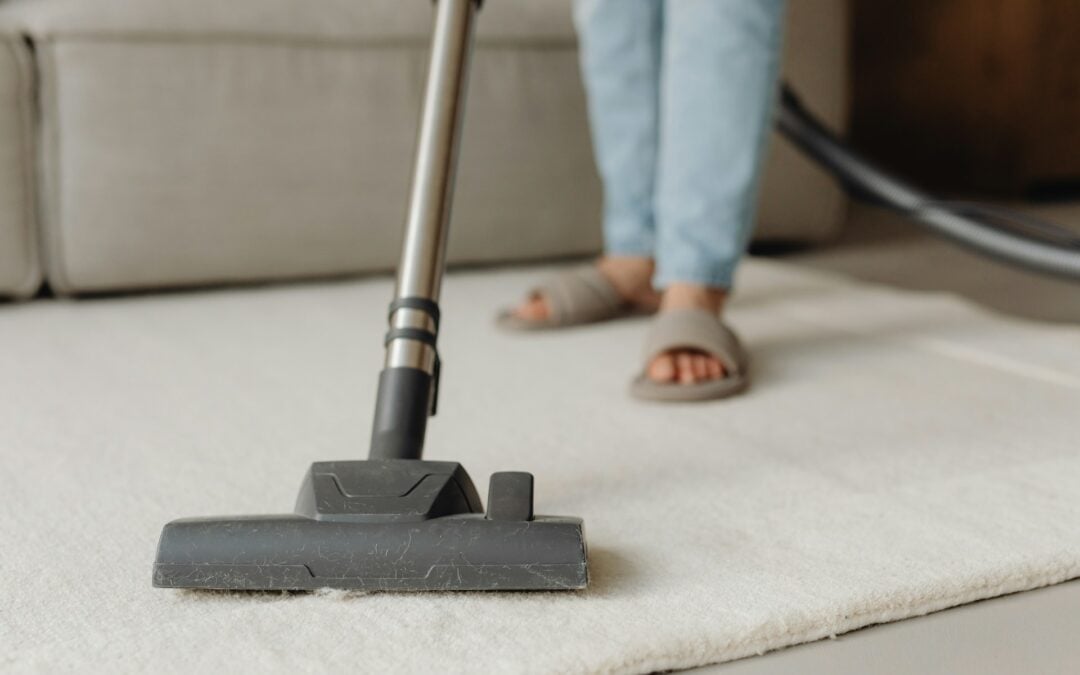
Carpets make homes cozy and inviting, but they also gather dirt and stains over time. Keeping your carpet fresh and clean all year is important for maintaining a healthy living environment. Regular care extends the life of your carpet and keeps it looking its best.
Understanding the unique needs of your carpet type helps you choose the right cleaning methods. Daily habits like vacuuming and spot cleaning reduce dirt buildup and maintain freshness. By taking preventive steps, you can protect your carpet from future damage and keep your home feeling comfortable.
With the right techniques, you can enjoy a clean carpet that adds beauty to your home. Whether you have a busy household or need simple tips for upkeep, learning how to care for your carpet makes a big difference.
Understanding Your Carpet Type and Needs
Before you dive into cleaning, it’s important to know what type of carpet you have. Different carpets require different care methods, so understanding your carpet type helps you choose the best cleaning approach. Whether you have a plush carpet or a durable berber, each kind needs specific maintenance.
Common Carpet Types:
- Nylon: This is a popular and durable choice, great for high-traffic areas. It handles spills well, but regular cleaning ensures it stays vibrant.
- Polyester: Known for its softness and vibrant colors, polyester resists stains but can be more challenging to clean.
- Wool: Wool is a luxury option that feels great underfoot. It naturally resists dirt but is sensitive to moisture. Wool carpets need gentle and careful cleaning.
- Olefin (Polypropylene): Often used in outdoor and commercial settings, olefin is resistant to moisture and mildew. It’s sturdy but might need professional cleaning for deep stains.
Knowing your carpet’s material helps you select the right cleaning tools and solutions. This understanding prevents damage and preserves the carpet’s appearance and longevity.
Identifying Carpet Needs:
- Examine Wear and Tear: Check for areas that see more foot traffic, like hallways and stairs. These spots might require more frequent cleaning.
- Spot for Stains: Identifying common stains lets you target them more effectively—like food spills in dining areas or pet stains if you have furry friends.
Understanding your carpet type and needs allows you to maintain its beauty and function with ease. Proper care ensures a healthy, fresh environment in your home.
Daily Habits for Maintaining Freshness
Keeping your carpet fresh isn’t just about occasional deep cleaning; daily habits make a big difference, too. These simple routines can help maintain the cleanliness and look of your carpet.
Quick and Easy Tips:
1. Regular Vacuuming: Vacuum high-traffic areas multiple times a week. For less-worn areas, once a week should be enough. This helps remove dust and dirt before they settle deeper.
2. Use Entry Mats: Place mats at every entrance. They catch dirt and debris before it reaches your carpet, reducing wear and stain potential.
3. Barefoot Indoors: Encourage family and guests to remove shoes at the door. Shoes track in dirt and oils that soil carpets faster.
4. Prompt Spill Response: Accidents happen, but the quicker you tackle a spill, the less likely it becomes a permanent stain. Blot spills immediately with a clean cloth or paper towel.
5. Rotate Furniture: Move your furniture around regularly. This helps distribute the wear and prevents paths from forming.
6. Pet Care: Brush pets and clean their paws regularly. This minimizes shedding and outside dirt coming indoors.
By integrating these habits into your daily routine, you protect your carpet from unnecessary wear and help it stay fresh and clean. These small steps pave the way for simpler and less frequent deep cleaning, saving time and money in the long run.
Effective Deep Cleaning Techniques
Deep cleaning your carpet is essential for removing dirt and grime that regular vacuuming doesn’t reach. Doing it right can keep your carpet fresh and prolong its life. Here are some effective methods to achieve a thorough clean.
1. Steam Cleaning:
Steam cleaning, or hot water extraction, involves injecting hot water mixed with a special cleaning solution into the carpet at high pressure. This process helps loosen dirt and debris. Then, a powerful vacuum removes the water and dirt. It’s one of the most effective methods for deep cleaning and is suitable for most carpet types. For the best results, consider hiring a professional steam cleaner occasionally.
2. Dry Cleaning:
Dry cleaning uses little to no water, making it ideal for carpets that shouldn’t get wet. Sprinkle a special cleaning powder over the carpet, then work it in with a machine with rotating brushes. The powder absorbs dirt and odors. After about 20 minutes, vacuum away the powder and debris. This method is quick and allows you to use your carpet almost immediately.
3. Shampooing:
This involves applying a foamy shampoo to your carpet and scrubbing it with a brush machine. It’s effective for heavily soiled carpets and helps to restore their color and texture. The downside is that shampoo can leave residue if not rinsed properly, so ensure thorough rinsing and drying.
4. Spot Cleaning:
Focus on stained areas by using a carpet spot cleaner. Apply it directly to the stain, let it sit for a few minutes, and then blot with a clean cloth. This method is great for fresh stains and helps prevent them from setting in permanently.
Each of these methods has its benefits, and selecting the right one depends on your carpet type and specific needs.
Preventive Measures to Protect Your Carpet
Preventive measures help extend the life of your carpet, keeping it clean and attractive. These smart strategies ensure that your carpet remains in great condition with minimal effort.
1. Use Area Rugs:
Place area rugs or runners in high-traffic areas such as hallways and entrances. Rugs catch dirt and can be easily cleaned or replaced.
2. Regularly Trim Carpet Fibers:
Trim any snagged or uneven carpet fibers to prevent unraveling. Use scissors, and cut at the fiber level without pulling, which might damage the carpet.
3. Use Furniture Coasters:
Place coasters under heavy furniture to prevent indentations in the carpet. These also make rearranging furniture easier without causing damage.
4. Apply Carpet Protector:
A carpet protector spray can help repel liquid spills and resist stains. Apply it according to the product instructions, and consider reapplication after deep cleaning sessions.
5. Air Out Carpets:
Good air circulation prevents moisture buildup that can lead to mold and odor. Periodically open windows or use fans.
6. Implement a No-Shoes Rule:
Encourage family and guests to leave their shoes at the door. This significantly reduces dirt and wears on your carpet.
By following these preventive steps, you’re safeguarding your carpet from common problems. This not only keeps your carpet looking new but also saves on costs related to frequent deep cleaning.
Conclusion
A clean, well-maintained carpet enhances your home’s comfort and aesthetic. Understanding the different carpet types, practicing good habits, using effective cleaning techniques, and employing preventive measures make a huge difference. These actions extend the life of your carpet and keep your home inviting.
For those times when you need a deeper clean or professional help, Superior Carpet Cleaning is here to assist. Our team delivers deep carpet cleaning services in Hudson that are tailored to meet your specific needs. Let us help you keep your carpets in excellent condition, ensuring your home stays fresh and welcoming!