
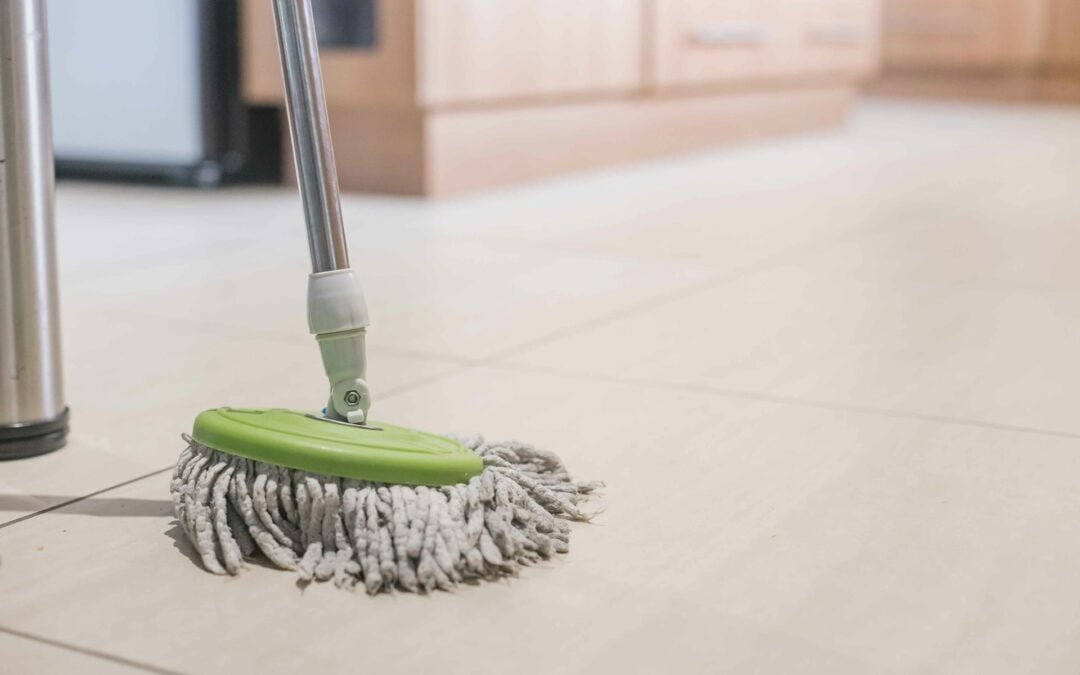
Linoleum floors are a popular choice for many homes and businesses due to their durability and easy maintenance. Made from natural materials like linseed oil, wood flour, and cork dust, linoleum offers an eco-friendly flooring option. However, keeping linoleum floors clean and looking their best requires the right tools and products.
Understanding the unique characteristics of linoleum is the first step in maintaining its beauty. Linoleum is resilient but can be prone to scratches and dents if not cared for properly. Additionally, its porous surface can absorb stains if spills are not cleaned up promptly. Knowing how to address these issues can significantly extend the life of your floors.
With the right equipment and a proper cleaning routine, you can keep your linoleum floors in pristine condition. We’ll also cover a step-by-step process for cleaning and maintaining your floors, ensuring they remain a beautiful part of your home for years to come. By following these tips, you’ll be well-equipped to handle any cleaning challenges that come your way.
Understanding Linoleum: Characteristics and Challenges
Linoleum, a natural flooring material, is prized for its durability and eco-friendly properties. Originating from renewable resources like linseed oil, wood flour, and cork dust, it’s both hypoallergenic and biodegradable. Despite these advantages, linoleum presents specific cleaning and maintenance challenges.
One key characteristic of linoleum is its porous surface. This means it can absorb spills quickly, potentially leading to stubborn stains if not addressed immediately. Additionally, linoleum can be sensitive to excessive moisture, which might cause it to warp or become discolored over time. It’s vital to avoid overly wet mopping or letting water sit on the surface.
Another common issue is that linoleum, although durable, can be prone to scratches and dents. Heavy furniture, high heels, and sharp objects can cause damage. Regular maintenance, such as using protective padding under furniture legs and avoiding dragging heavy items across the floor, can help mitigate these issues.
Understanding these characteristics is crucial for selecting the right cleaning tools and methods to keep your linoleum floors looking their best.
Must-Have Cleaning Tools for Linoleum Floors
Equipped with the right tools, cleaning linoleum floors becomes a straightforward task. Here are the essential tools every homeowner should have:
- Broom or Dry Dust Mop: Regular sweeping or dust mopping helps remove loose dirt and debris, preventing it from scratching the linoleum surface. Soft-bristle brooms or microfiber dust mops are gentle yet effective.
- Vacuum Cleaner with Hard Floor Setting: A vacuum cleaner with a hard floor setting can be used for a deeper clean. Ensure the vacuum has a soft brush attachment to avoid scratching the floor.
- Microfiber Mop: When wet mopping is necessary, a microfiber mop is ideal. It uses minimal water and effectively picks up dirt without leaving behind excess moisture.
- Bucket with Wringer: A bucket with a built-in wringer allows you to control the moisture level on your mop, ensuring the floor doesn’t get too wet.
- Soft Cloths or Sponges: For spot cleaning spills or stains, soft cloths or non-abrasive sponges are essential to avoid damaging the surface of the linoleum.
- Scrubbing Brush with Soft Bristles: Occasionally, a gentle scrubbing brush may be needed for stubborn spots. Make sure it has soft bristles to prevent surface damage.
Using the right tools makes a significant difference in maintaining the appearance and longevity of your linoleum floors. These cleaning tools are designed to be both effective and gentle, ensuring your floors are clean without causing unnecessary wear and tear.
Best Cleaning Products for Linoleum Floors
Using the right cleaning products is crucial for maintaining your linoleum floors. Here are some recommended products that are specifically designed for linoleum:
- pH-Neutral Cleaners: Linoleum is sensitive to acidic or alkaline cleaners, which can damage its surface. pH-neutral cleaners are gentle yet effective in removing dirt and grime. Always check product labels to ensure the solution is safe for linoleum.
- Mild Detergent: Simple household detergents mixed with warm water can also work well for regular cleaning. Avoid using too much soap, as it can leave a residue.
- White Vinegar Solution: For an eco-friendly option, mix one cup of white vinegar with a gallon of warm water. This solution can disinfect the floor while removing stains and odors. However, avoid using vinegar too frequently, as it can strip the floor’s finish over time.
- Commercial Linoleum Cleaners: There are specialized linoleum floor cleaners available that are formulated to tackle tough stains without harming the floor. These products often include conditioners that help preserve the floor’s appearance.
- Baking Soda: For spot cleaning stubborn stains, sprinkle a small amount of baking soda on a damp cloth and gently scrub the area. Baking soda is mildly abrasive and can help lift stains without scratching the surface.
Choosing the right products ensures your linoleum floors remain clean and free from damage. By sticking to these recommendations, you can avoid harsh chemicals that might degrade the floor over time.
Step-by-Step Guide to Cleaning and Maintaining Linoleum Floors
Maintaining linoleum floors involves a regular cleaning routine and occasional deep cleaning. Follow these steps to keep your floors in top condition:
1. Daily Cleaning:
- Sweep or Vacuum: Start by sweeping or vacuuming to remove loose dirt and debris. Use a vacuum with a hard floor setting or a soft-bristle broom.
- Spot Clean: Address any spills immediately with a damp cloth or sponge. Use a mild detergent or a pH-neutral cleaner for stains.
2. Weekly Cleaning:
- Wet Mop: Fill a bucket with warm water and add a pH-neutral cleaner. Dip a microfiber mop into the solution and wring it out thoroughly. Mop the floor, making sure it is damp and not soaking wet.
- Dry Mopping: After mopping, go over the floor with a dry microfiber mop to remove any excess moisture and prevent water damage.
3. Monthly Deep Cleaning:
- Scrub Stubborn Stains: For tougher stains and grime, use a soft-bristle scrubbing brush with a specialized linoleum cleaner. Focus on problem areas but avoid excessive scrubbing, which can damage the floor.
- Polish: Apply a linoleum-safe floor polish to restore shine and protect the surface. Follow the product’s instructions for the best results.
4. Long-Term Maintenance:
- Waxing: Periodically, you may need to strip and wax your linoleum floors to maintain their appearance. Use a linoleum-specific floor wax and follow the instructions carefully.
- Protect from Damage: Use floor mats in high-traffic areas and place pads under furniture legs to prevent scratches and dents.
By following this guide, you can ensure your linoleum floors stay clean and well-maintained, enhancing the longevity and beauty of your flooring.
Protect Your Linoleum: Key Cleaning Products and Tools
Keeping linoleum floors clean and well-maintained doesn’t have to be a daunting task. With the right tools and products, along with a consistent cleaning routine, you can preserve the beauty and functionality of your linoleum flooring for many years. Regular sweeping, mild cleaning solutions, and occasional deep cleaning will keep your floors looking like new.
Remember, avoiding harsh chemicals and excessive moisture is key to preventing damage. By understanding the characteristics and challenges of linoleum, you can tailor your cleaning approach to meet its specific needs.
If you’re looking for expert help in maintaining your linoleum floors or need professional cleaning services, contact Superior Carpet Cleaning today. Our team offers comprehensive floor care solutions to keep your home or business sparkling clean.